

IV TXA Reduces Blood Loss and Transfusion Need in Intertrochanteric Fracture Surgery using PFNA .
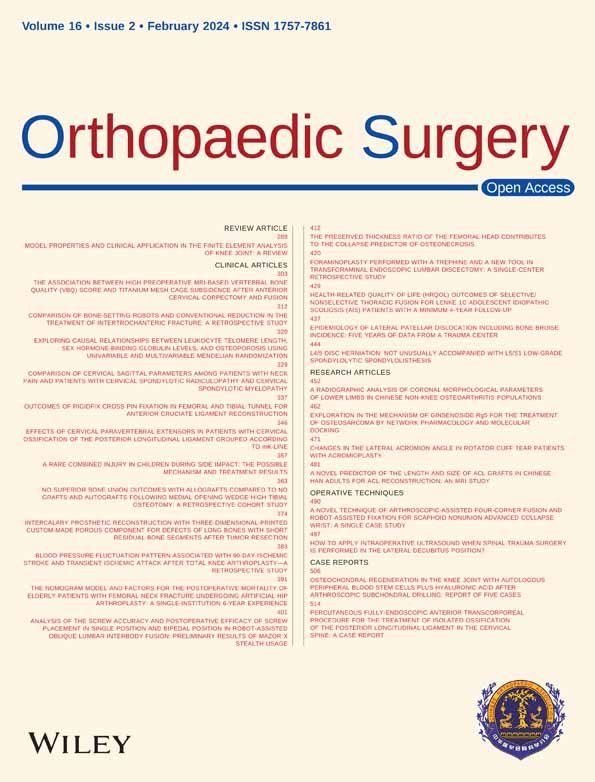
Efficacy and Safety of Tranexamic Acid in Intertrochanteric Fractures: A Single-Blind Randomized Controlled Trial
Orthop Surg. 2019 Aug;11(4):635-642.One hundred patients scheduled for surgical treatment of an intertrochanteric fracture with a proximal femoral nail anti-rotation system were randomized to receive tranexamic acid (TXA) or no treatment for the reduction of blood loss and need for transfusion. The primary outcome of interest was estimated total blood loss. Additional outcomes of interest included intra-operative and hidden blood loss, levels of hemoglobin and hematocrit, transfusion rate, number of units of blood transfused, drainage volume and the incidence of complications. Follow up was performed up to 1 month post-operation. Results revealed significantly lower estimated total blood loss, intra-operative blood loss and hidden blood loss in the TXA group compared to the control group. Hemoglobin and hematocrit levels in the first post-operative day were significantly in favour of the TXA group compared to the control group. Whilst the incidence of transfusion was significantly lower in the TXA group compared to the control group, there were no significant differences between the two group in the mean number of units of blood transfused. No significant differences between the two groups were observed in drainage volume or the incidence of complications.
Vollständigen ACE-Bericht freischalten
Sie haben Zugang zu 4 weiteren KOSTENLOSEN Artikeln in diesem Monat.
Klicken Sie unten, um diese ACE Reports freizuschalten und anzusehen
Jetzt freischalten
Kritische Beurteilungen der neuesten, hochwirksamen randomisierten kontrollierten Studien und systematischen Übersichten in der Orthopädie
Zugang zu OrthoEvidence-Podcast-Inhalten, einschließlich Kooperationen mit dem Journal of Bone and Joint Surgery, Interviews mit international anerkannten Chirurgen und Diskussionsrunden zu orthopädischen Neuigkeiten und Themen
Abonnement von The Pulse, einem zweimal wöchentlich erscheinenden evidenzbasierten Newsletter, der Ihnen helfen soll, bessere klinische Entscheidungen zu treffen
Exklusiver Zugang zu Originalartikeln, einschließlich eigener systematischer Übersichten, sowie zu Artikeln über Methoden der Gesundheitsforschung und aktuelle orthopädische Themen
Oder upgraden Sie noch heute und erhalten Sie Zugang zu allen OrthoEvidence-Inhalten für nur $1,99 pro Woche.
Sie haben bereits ein Konto? Einloggen


0 von 4 monatliche KOSTENLOSE Artikel freigeschaltet